Ethan said “I told you so” in a hardware store parking lot. It was 2:30 on a rainy Saturday in April.
I was holding a gallon of paint for my bedroom wall. It was supposed to be soft gray, and it looked like a swimming pool.
He had warned me in the store, and he was right about the color. But it was the fourth time that month I had heard those words.
We did three years long distance before we closed the gap two years ago. I never heard that phrase on the phone the way I hear it now.
Here is what I tried and what actually worked. I am also honest about what is still a work in progress.
Count How Often It Really Happens
Before I said anything to Ethan, I wanted to know if I was overreacting. So I started a quiet tally in the notes app on my phone.
Over two weeks, I counted six times. There was the paint, a missed exit, a burnt grilled cheese, and three smaller ones.
Six felt like a real pattern, not a bad mood. It also gave me facts to share instead of just a feeling.
Some of the mistakes were mine, and that was fair to admit. I did miss that exit, even after he told me to get over.
But being right about the exit did not make the comment kind. The tally helped me keep those two things separate.
If you try this, keep it private and short. It is for clarity, not for building a case against him.

Pick a Calm Moment, Not the Parking Lot
In the parking lot, I wanted to snap back at him. I got in the car and stayed quiet for the whole ride home instead.
Two days later, we were walking his neighbor’s dog around the block. It was a warm evening, and we were both relaxed.
That is when I brought it up, gently and without the tally. I asked if I could tell him something small that bugged me.
Talking while walking side by side made it feel less like a trial. Neither of us had to stare at the other across a table.
If he tends to clam up, timing matters even more. This piece on when your partner shuts down mid-argument helped me.
Do not raise it while the mistake is still fresh. Both of you will be too defensive to hear anything useful.

Explain What the Words Feel Like to You
I told Ethan the phrase made me feel like a kid getting graded. I said I already know when I mess up, usually right away.
He looked truly surprised. He said he thought it was a light joke, like a friendly little score.
That was useful to learn, because I had assumed he meant it to sting. We were hearing the same four words very differently.
Use short sentences that start with how you feel. Long speeches give the other person too many places to argue.
I did not ask him to stop warning me about things. His warnings are often helpful, and I told him so.
What I asked for was the part after the mistake. I wanted help or a laugh, not a reminder that he called it.
Give Him Something to Say Instead
People change habits faster when they have a replacement. So I gave Ethan a few options he could use instead.
My favorite was simple, just offering to help fix it in a normal voice. Another was a plain “ugh, that stinks” with a shrug.
He laughed and said he could manage that. Then he admitted his dad said the same phrase all the time growing up.
That small detail changed the whole talk for me. It was a habit he had picked up long before we ever met.
Ask where the phrase comes from for him. You might learn something that makes it easier to be patient.
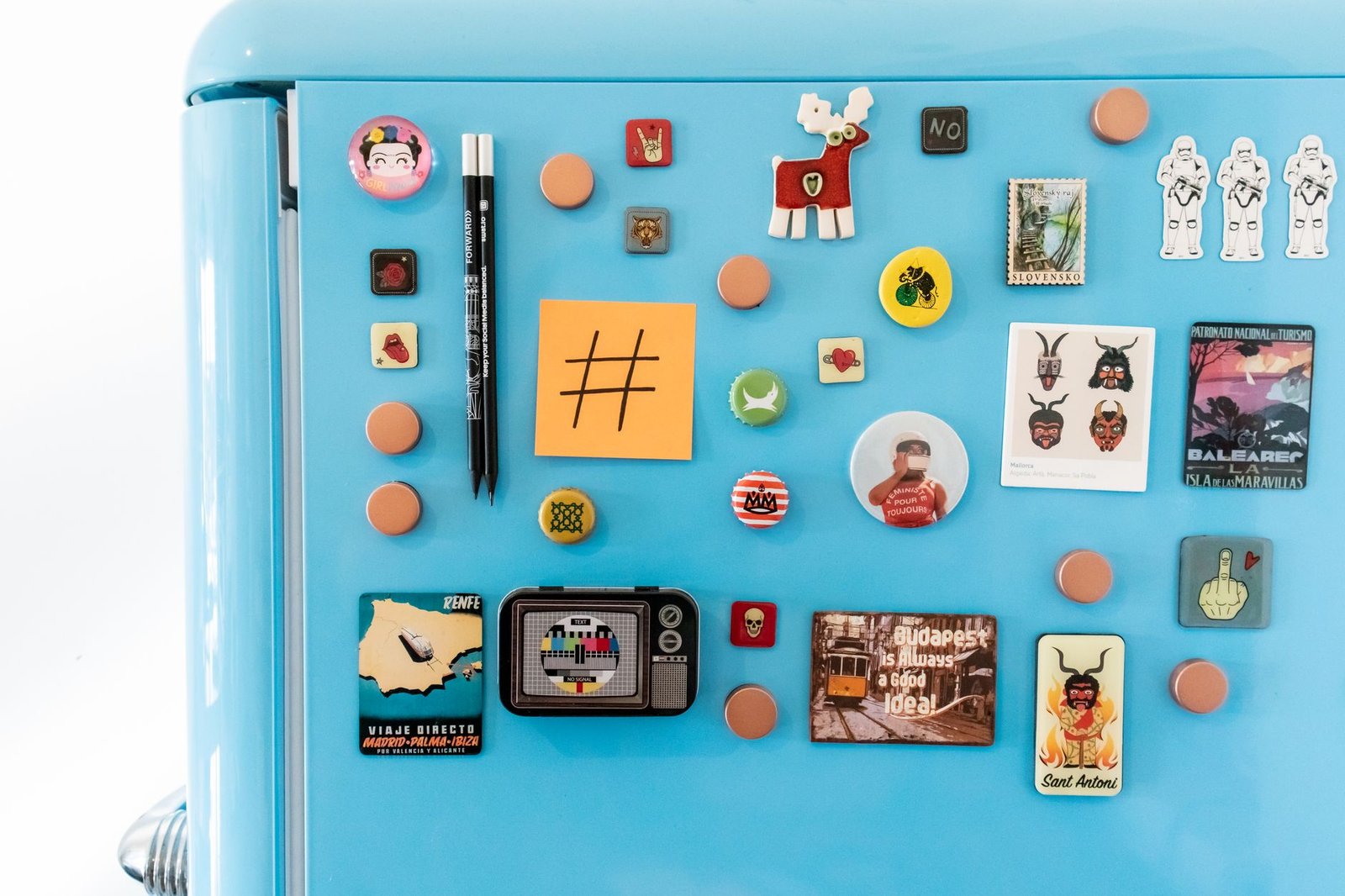
Write the new phrases somewhere you both see. We joked about a sticky note on his fridge, and he really put one there.
Point It Out in the Moment With a Light Touch
Old habits come back, and his did within a week. I forgot my wallet at a taco truck and he started to say it.
He caught himself halfway through and grinned at me. I said “nice save” and we both laughed in line.
When he did not catch it, I used a quiet cue we had agreed on. I just said “sticky note” and he knew right away.
A code word keeps it from turning into a new fight. It is quick and private, even in front of other people.
I also thank him when he gets it right. Praise works better on both of us than complaints ever do.
Be careful not to water the cue down until it means nothing. Read about softening every request if you do that too.

Check Your Own Version of I Told You So
Once I paid attention, I noticed my own habit too. I sigh and say “well, I did mention it” when he forgets things.
That is the same move with different words. Ethan was kind enough not to point it out, but I knew.
So I added myself to the sticky note deal. Now either of us can say the code word to the other.
It made the whole thing feel fair instead of one sided. We were both working on it, not just him.
Look at how you react when he slips up. It is much easier to ask for change when you are changing too.
What Still Slips Through Sometimes
I wish I could say the phrase is gone for good. It still pops out when he is tired or stressed from work.
Last week he said it about a rainy picnic I insisted on. I felt the old sting before he even finished the sentence.
The difference is he apologizes now, usually within a minute. That never happened before we talked.
I also still feel a little defensive when I make a mistake near him. That reflex is fading slower than his habit.
Some days I handle it with grace, and some days I snap. We are both still learning, and I think that is normal.
If this sounds like your relationship, start with one calm talk. You may be surprised how little he knew it hurt.