
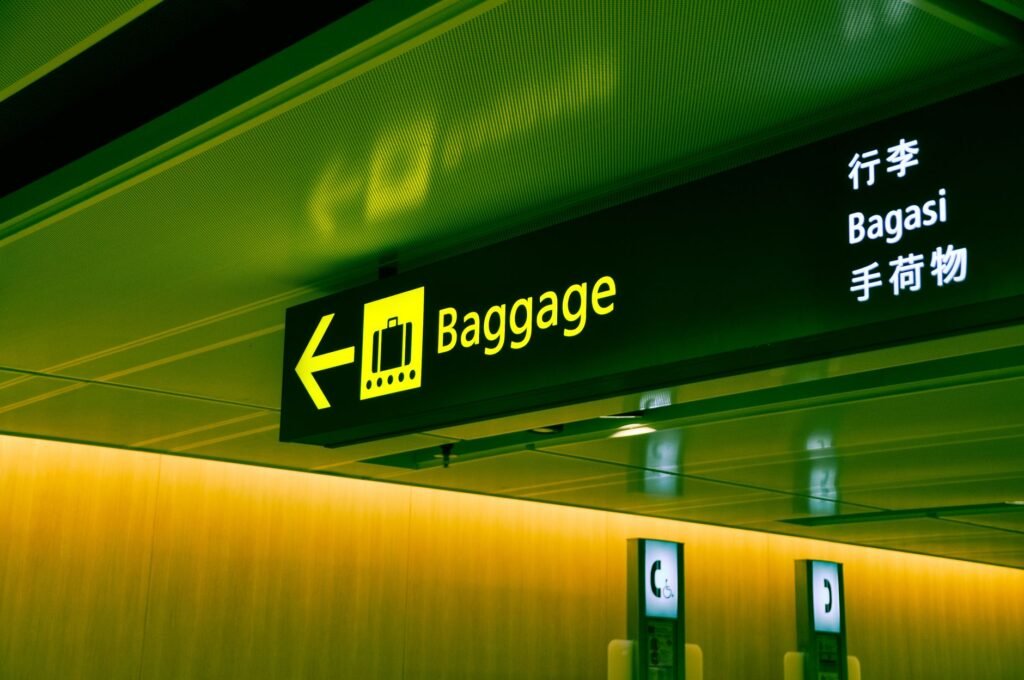
Last Friday at baggage claim, our flight sat delayed for two hours. I heard myself say sorry to him before the bags even moved.
He asked what exactly I was apologizing for in that moment. I had no real answer, since the airline had caused the whole delay.
That tiny sorry was not new, just newly noticeable to me. I started counting how often I say it for things I do not control.
Over one week I caught six separate moments worth looking at closely. None of them were actually my fault, yet I apologized anyway.
I want to walk through all six, because the pattern surprised me. Maybe it will sound familiar if you do this too.
The Flight Delay at Baggage Claim
The airport delay was the clearest example, so it goes first. Sorry left my mouth before I even finished processing the delay myself.
He told me later it was strange hearing me apologize to him. I was not the one who scheduled the gate change that night.
Over apologizing differs from rebuilding trust after lying. Both involve words, but they come from very different places inside you.
The Lost Reservation at the Restaurant
The second moment happened at a restaurant that lost our reservation. I apologized to him while the host looked for a table.
He pointed out, gently, that the host should apologize, not me. I just shrugged, since blaming myself felt automatic by then.
The Rain That Ruined Our Hike
The third moment was weather, which is about as uncontrollable as it gets. Rain ruined a hike we had planned for weeks in September.
I said sorry about the rain like I had personally caused the clouds. He laughed, which helped me hear how strange that sentence sounded.
Active listening for couples helped me hear what he actually needed too. Apologizing less left more room to actually listen in the moment.

My Friend’s Long Story at Dinner
The fourth moment involved my friend telling a very long story at dinner. I apologized to him afterward for how long the story ran.
He said he enjoyed the story and had not been bored at all. I had apologized for something that was never actually a problem.
The Phone That Died at the Worst Time
The fifth moment was my phone dying during his lunch break. He could not reach me, and I apologized the second I saw the missed calls.
My phone had simply died, which happens to phones sometimes. I treated it like a personal failure instead of a dead battery.

Crying in the Dark During a Movie
The sixth moment happened during a movie that made me cry in the theater. I whispered sorry to him in the dark, mid scene.
He squeezed my hand and asked what exactly I thought I did wrong. Crying during a sad movie is not a thing that requires an apology.
Looking at all six together made the pattern hard to explain away. I was not apologizing for mistakes, I was apologizing for existing.
I started asking myself one question before the word left my mouth. Did I actually cause this, or am I just uncomfortable with the moment.
That one question has slowed me down more than anything else has. Some sorries disappeared completely once I asked it honestly each time.
I started replacing sorry with a different phrase when nothing was wrong. That stinks about the delay became my new line at the airport.
He noticed the shift faster than I expected him to notice it. He said I sound more like myself when I am not pre apologizing.
I think this habit began long before this relationship. Being agreeable felt safer than being blamed, even for things outside my control.
Three years of long distance calls gave the habit room to grow. Every bad connection or missed call became something I apologized for.
Now that we live in the same city, the pattern still shows up sometimes. It just shows up over smaller things, like weather and movie tears.
I am not fully free of this habit, even after noticing it clearly. Tired versions of me still apologize for things that are not my fault.
Last week I said sorry when a waiter brought the wrong drink order. It had nothing to do with me, and I caught it half a second too late.
That catch still counts, even if the sorry already escaped. Noticing it after the fact is slower, but it still counts as progress.
Some days I ask my one question and stop the sorry completely. Other days I am too tired to ask anything before it slips out.
I do not think this habit disappears just because you name it once. It fades slowly, the way most habits built over years actually do.
If you recognize this in yourself, you are probably not sorry for much. You are likely just uncomfortable with moments you did not control.
I am still practicing the pause before the apology, one flight at a time. Some sorries I catch now, and plenty I still do not.

What Still Does Not Work Perfectly
My boyfriend says he never minded the delays themselves that much. He minded hearing me apologize for something neither of us controlled.
I still remember the date our flight sat stuck at the gate. November fourteenth, two hours delayed, and sorry out of my mouth instantly.
The hardest sorries to catch are the smallest ones, said under my breath. Those rarely reach my own notice until hours later that night.
Writing this down made me more aware of it than any talk did. Maybe that is proof that naming a habit is worth the effort.
A friend once told me apologizing too much can flatten how you sound. I did not believe her until I started counting my own sorries.
These days I try to save sorry for moments that actually need one. The rest of the time, I am learning to just say what happened.
Learning to communicate without fighting changed how these sorries came out. The words got smaller and the message got clearer each time.





2 thoughts on “What to Do When You Apologize for Things That Were Never Your Fault”