
My friend Casey called me crying at 7:40 on Thanksgiving night. Miles had proposed that afternoon in his parents’ kitchen in Ohio.
His whole family already knew the plan for two full months. Casey’s own mother found out through a group text an hour later.
She loved the ring, and every sign you are ready for engagement had been there. Casey still wondered if the timing ache was normal.
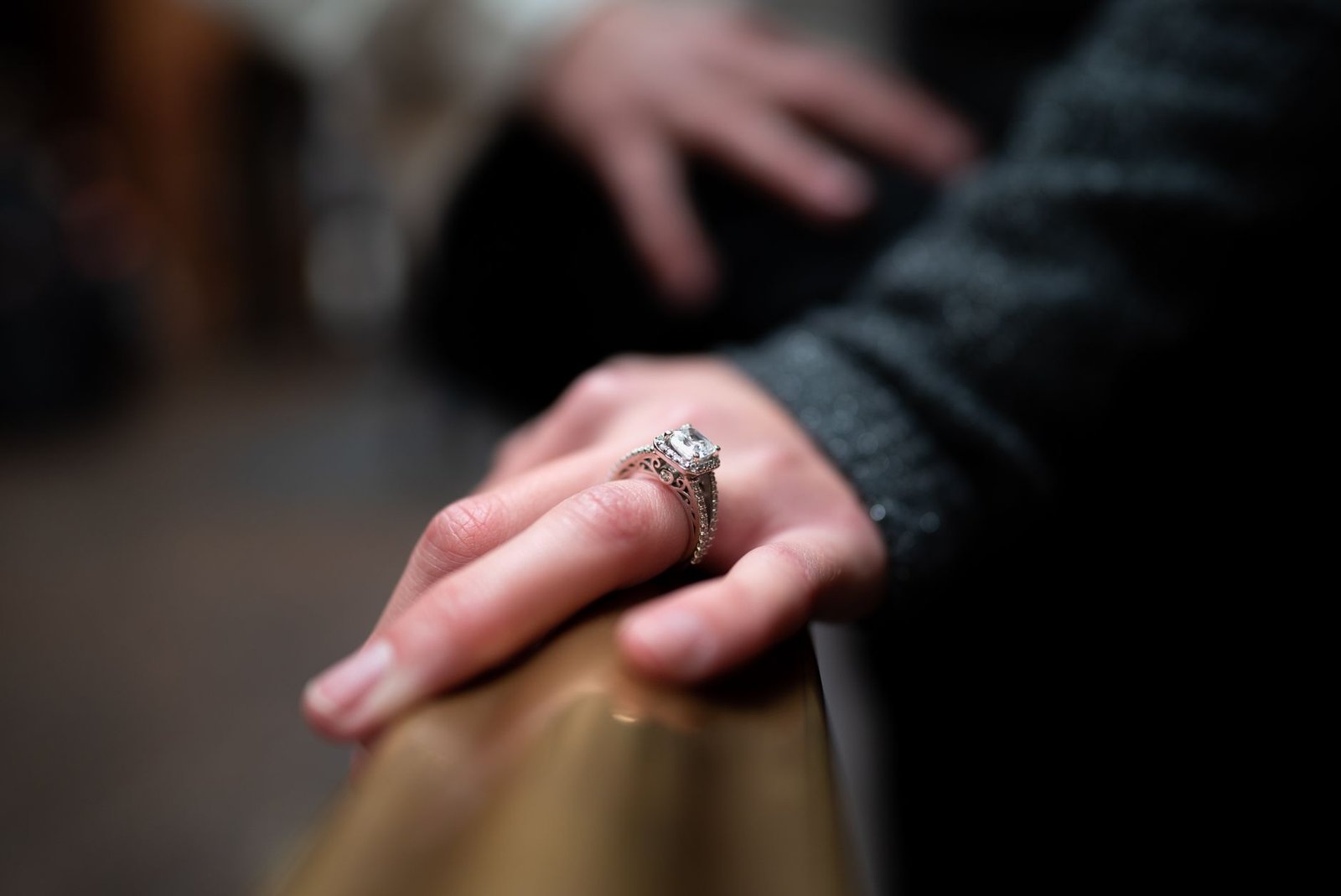
Understand Why the Imbalance Happened
Miles had spent weeks planning a proposal he will never forget. His mother helped pick the restaurant for the following week.
Casey’s parents live four hours away in Michigan and heard nothing. She found out later his sister had known since October.
The imbalance was not cruelty, just old habit and proximity. Miles simply saw his own family every single Sunday for dinner.
Casey felt like the last person invited to her own engagement. That feeling is common even when nobody meant harm.
Naming the imbalance out loud helped her separate hurt from blame. Miles had not chosen his family over hers on purpose.
Recognizing habit instead of malice made the first phone call easier. Casey could explain the ache without starting a fight.

Name the Exact Feeling, Not a General Complaint
That night, Casey told Miles exactly what stung about the day. She said watching his mother tear up before her own mom knew felt backward.
Miles admitted he never thought about how the order would land. He assumed everyone would find out around the same time anyway.
Casey used the word backward on purpose instead of unfair. It described the sequence without accusing him of picking sides.
Naming the exact feeling matters more than naming a general complaint. Backward is specific, unfair sounds like a verdict on his character.
Miles apologized without getting defensive, which surprised her a little. He said he wished he had thought to call her parents first.
A clear, specific complaint gives someone something they can actually fix. Vague hurt just leaves the other person guessing at the problem.
Tell Your Own Version Before Anyone Else Does
Casey called her mother from the car outside a Kroger in Toledo. She told her everything, including the part that still stung.
Her mom laughed and said she found out through a screenshot anyway. Hearing that softened something in Casey she had not expected.
They talked for forty minutes about the ring, the kitchen, the whole afternoon. By the end, the sting had turned into a story worth telling.
Casey realized she needed to tell her own version before anyone else did. Waiting only let someone else’s timeline define her memory.
Telling the story herself, out loud, gave her back some ownership. The facts stayed the same, but the feeling around them changed.
Sometimes healing is not about fixing the order of events. It is about deciding who gets to narrate your own moment.

Let a Real Gesture Help, Even If Late
Miles suggested a second celebration just for Casey’s side of the family. He booked a Sunday brunch in Ann Arbor two weeks later.
Casey’s parents got the full story, the ring, and real champagne. Her dad even asked to hold the ring box himself.
The brunch did not erase the original imbalance, but it helped. Casey said her parents finally felt like part of the news.
A gesture after the fact cannot undo a first impression completely. It can still show someone is willing to make it right.
Miles kept apologizing quietly through the planning instead of just once. Small repeated effort meant more to Casey than one grand apology.
Repair does not need to be dramatic to count as real. A brunch and an honest toast did most of the work.

Set a Rule for the Next Piece of News
Before the wedding planning began, Casey and Miles set a new rule. Big family news would go to both sides on the same day from now on.
They wrote it down in a shared notes app, half joking, half serious. The rule covered future news like the wedding date and venue.
Miles texted both moms the venue confirmation within the same hour. Casey watched him do it and felt something settle in her chest.
A rule only works if someone remembers to follow it under pressure. Writing it down made it easier to hold each other to it.
Casey said this was really about learning to set boundaries with your partner. Both families deserved to feel like insiders.
Fairness in a merging family takes deliberate effort, not good intentions alone. Good intentions had already failed once by Thanksgiving.
Watch How the Story Changes Over Time
Six months later, Casey barely thinks about the group text anymore. The brunch in Ann Arbor became the version she tells most.
She still remembers her mother’s laugh outside that Kroger, though. It reminds her that hurt can shrink once you name it out loud.
Miles brings up the new rule sometimes before he shares any news. Casey says that small habit rebuilt more trust than the brunch did.
The proposal story now includes both families equally when she tells it. That took work, not just time passing on its own.
Casey says the lesson applies beyond engagements, to any shared milestone. Whoever finds out first should never mean whoever matters more.
She still keeps the Kroger parking lot photo from that phone call. It reminds her how fast a sting can turn into a story.
What Still Does Not Fully Heal
I will admit this fix worked partly because Miles listened without arguing. Not every partner responds to hurt with that kind of grace.
Casey still flinches at family group texts, even good ones now. Some reactions do not fully disappear just because a story ends well.
The new rule has slipped once already, over a smaller piece of news. They caught it fast, but it proved rules need constant tending.
Her parents never said it outright, but Casey suspects the sting lingered. Not every hurt gets a full brunch and a clean resolution.
There is no guarantee another family would handle the do over as gently. Casey knows she got a partner willing to actually try.
What stayed hardest was accepting that the first moment cannot be redone. You can only build something better around it afterward.



1 thought on “What to Do When His Family Finds Out Before Yours Does”